

A Small Change on the Price Board, But Everyone Notices
Earlier this week, I stopped at a fuel station during my usual commute. The queue looked normal, but the conversation among drivers was different. Almost everyone was talking about the updated petrol and diesel prices. Someone had just noticed the numbers on the digital price board had changed again. A few rupees might not sound dramatic at first, yet drivers react quickly because those few rupees add up over time.
For people who drive daily, fuel prices feel personal. They are not just numbers published in the news. They affect how much money leaves your wallet every time the tank is filled. This is why even a small price adjustment becomes a hot topic at fuel stations, tea stalls, and parking areas.
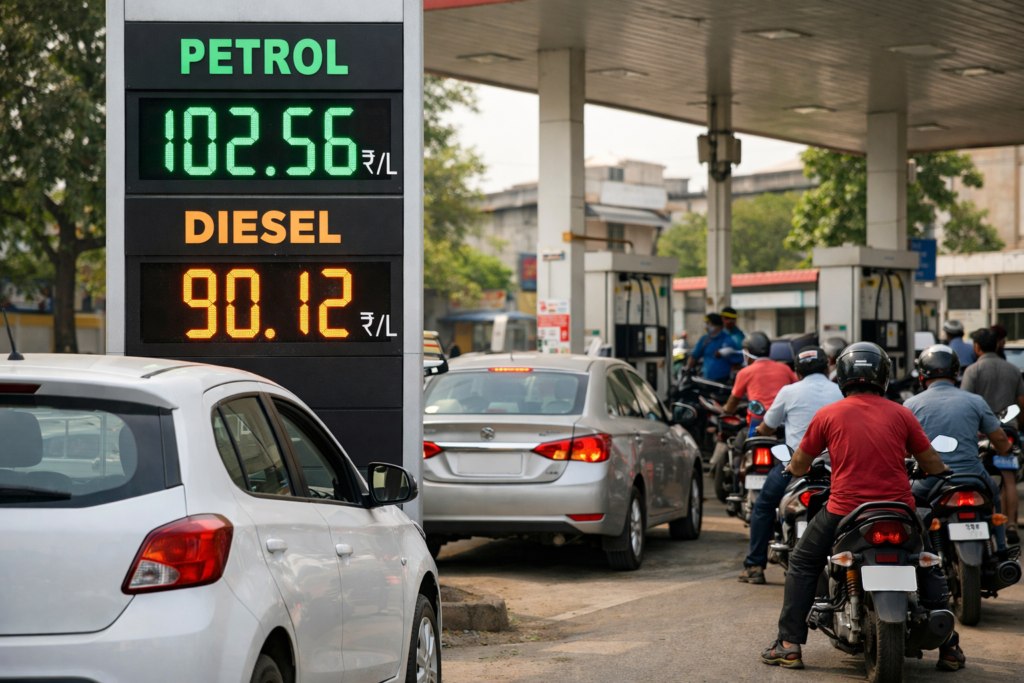
Petroleum Planning and Analysis Cell – official fuel price data
Why Fuel Prices Rarely Stay Still
Many people wonder why petrol and diesel prices keep shifting. The answer usually begins far away from local fuel stations. Crude oil, the raw material used to produce petrol and diesel, is traded globally. Its price moves up or down depending on how much oil is available and how much the world needs.
When demand for oil rises, prices generally follow the same direction. If production increases or demand slows, prices may drop. These changes eventually influence the cost of refined fuel in countries that import oil.
India purchases a large portion of its crude oil from international markets. Because of this dependence, global price movements slowly find their way to domestic petrol pumps.
Currency Value Quietly Shapes Fuel Costs
Another factor that rarely gets attention in daily conversations is currency exchange. Oil imports are typically paid for in US dollars. This means the value of the Indian rupee matters when calculating the final cost.
If the rupee weakens against the dollar, the same quantity of crude oil becomes more expensive to import. Oil companies then face higher procurement costs. Over time, this additional expense may appear in petrol and diesel prices.
This connection between currency and fuel cost often goes unnoticed, yet it plays a major role behind the scenes.
The First People to Feel the Impact
Whenever fuel prices move, certain groups feel the change immediately. Taxi drivers, delivery riders, and truck operators depend heavily on petrol or diesel to earn their income. Their vehicles are not just for convenience; they are tools of their profession.
A delivery rider might refill the tank several times a week. If fuel becomes slightly more expensive, the difference accumulates quickly. Some drivers respond by adjusting their schedules or accepting more trips to balance the extra cost.
In conversations with drivers, one common theme appears repeatedly: fuel prices directly influence how profitable their work remains.
Why Fuel Prices Differ From City to City
Travel between two states in India, and you might notice an interesting detail. The petrol price in one city could be several rupees higher than in another. Many drivers find this surprising, especially when the distance between the locations is small.
The explanation lies mostly in taxation policies. Each state government applies its own tax structure to fuel. Because these tax rates vary, the final retail price also changes.
Drivers living close to state borders sometimes take advantage of this difference. If a nearby city offers slightly cheaper fuel, they may choose to refill there instead.
How Global Decisions Affect Local Fuel Stations
Oil production decisions made in other parts of the world often influence domestic fuel prices. Countries that produce large amounts of crude oil sometimes adjust their output levels. When production decreases, supply tightens and prices may rise.
On the other hand, if production expands significantly, the global supply increases. This situation can reduce pressure on crude oil prices.
Even though these events happen far away, their effects gradually reach consumers in fuel-importing nations. Drivers may not follow international energy discussions closely, but they eventually see the outcome on the petrol pump display.
Taxes: A Large Portion of the Fuel Price
Another important component of petrol and diesel pricing is taxation. Both the central government and state governments collect revenue from fuel sales. These taxes contribute to the overall cost that drivers pay.
This revenue often supports infrastructure projects, transportation networks, and public services. However, it also means that a significant part of the fuel price does not come from the crude oil itself but from the tax structure applied afterwards.
Occasionally, governments reduce certain fuel taxes to ease public concern during periods of high prices. When such reductions happen, drivers notice the relief almost immediately.
Rising Fuel Costs Influence the Entire Economy
Fuel prices do not affect only private vehicle owners. The ripple effect extends across multiple industries. Transport companies rely heavily on diesel to move goods across cities and states. When diesel prices increase, the cost of shipping products rises as well.
Businesses sometimes pass this additional expense to customers. As a result, changes in fuel prices can indirectly influence the cost of everyday items.
Agriculture also feels the impact. Many farming machines and irrigation pumps run on diesel. When fuel becomes expensive, operating those machines costs more, which may affect overall farming expenses.
Drivers Are Learning to Adapt
With fuel prices changing frequently, many drivers have started modifying their habits. Some people try to reduce unnecessary trips. Instead of making multiple short journeys, they combine errands into one longer drive.
Carpooling has also gained popularity in crowded cities. Sharing rides allows several people to split fuel expenses while reducing the number of vehicles on the road.
Another strategy involves maintaining vehicles properly. Well-maintained engines, correctly inflated tyres, and smoother driving styles can improve fuel efficiency. Over time, these small changes help reduce fuel consumption.
Fuel-Efficient Vehicles Are Getting More Attention
Rising fuel costs have influenced how people choose vehicles. Buyers are paying closer attention to mileage figures when purchasing cars or motorcycles.
Vehicles that consume less fuel over long distances attract more interest from cost-conscious drivers. Hybrid models and electric vehicles are also entering the conversation more frequently.
Although petrol and diesel vehicles still dominate the roads, the idea of reducing fuel dependency is slowly gaining momentum among consumers.
What Experts Expect in the Coming Months
Energy analysts often explain that fuel prices depend on many unpredictable factors. International demand, geopolitical developments, and production policies can all influence crude oil prices.
Because these factors change constantly, predicting long-term fuel trends becomes difficult. Prices may rise during periods of strong demand and fall when global consumption slows.
For drivers, this means that fuel price fluctuations will likely remain part of everyday life.
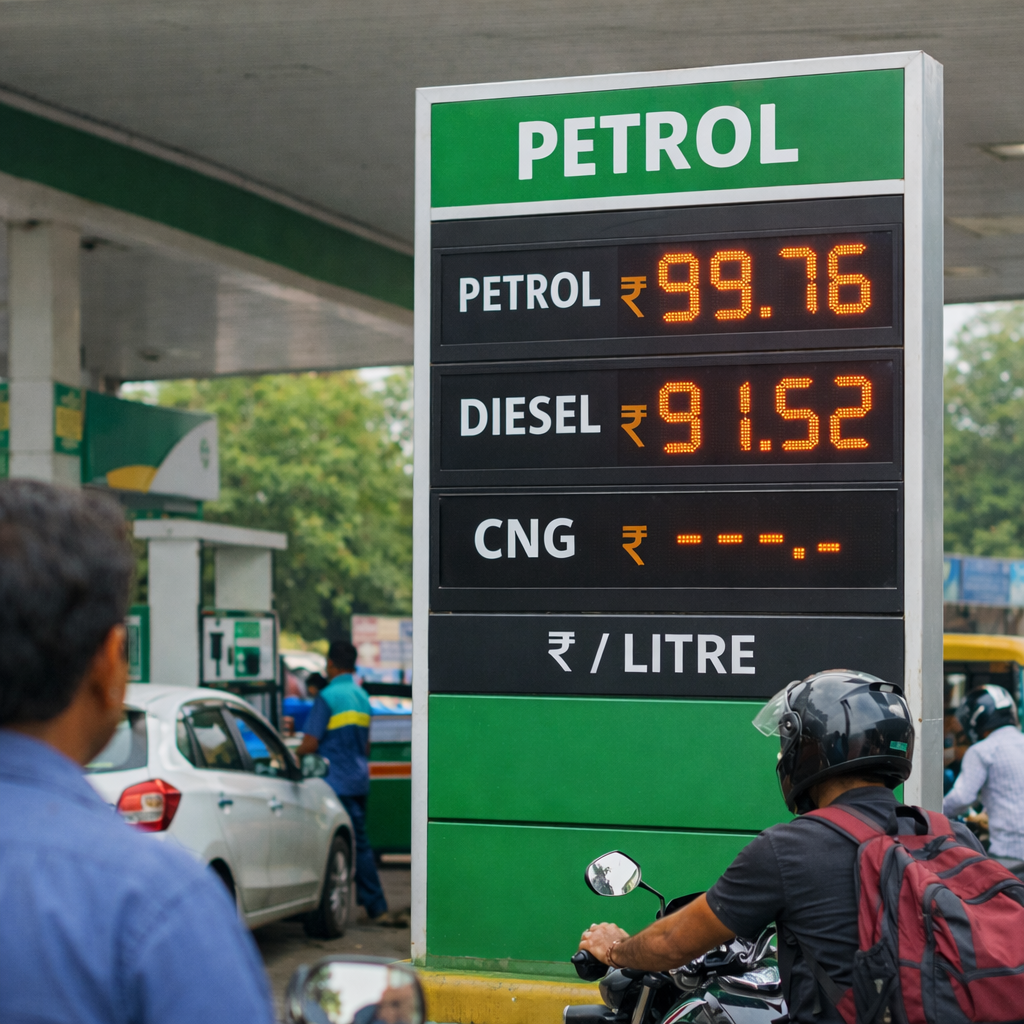
The Long Journey From Oil Field to Fuel Tank
Before petrol or diesel reaches a vehicle’s fuel tank, it travels through a complex chain of processes. Crude oil is first extracted from underground reserves. It is then transported to refineries, where it undergoes processing to produce various petroleum products.
After refining, the fuel must be transported across the country through pipelines, ships, or tanker trucks. Each stage involves operational costs that contribute to the final price.
By the time the fuel arrives at a petrol station, it has passed through several layers of processing, transportation, and taxation.
Why Drivers Continue to Talk About Fuel Prices
Few economic indicators are as visible as petrol and diesel prices. People see them every time they visit a fuel station, making the topic part of daily conversation.
Unlike complex financial statistics, fuel costs are something everyone understands immediately. When the price changes, drivers feel the difference during the next refill.
This constant interaction explains why discussions about petrol and diesel prices never seem to disappear. As long as vehicles rely on these fuels, drivers will continue to watch those numbers carefully.
The Bigger Picture Behind Every Price Change
At first glance, a price update at a petrol pump may look simple. In reality, that number reflects a chain of global trade, currency fluctuations, taxation policies, and energy demand.
Drivers may only see the final figure displayed on the fuel station board, but the process behind that number stretches across international markets and domestic economic decisions.
Understanding this broader picture helps explain why fuel prices change so often and why those changes attract so much public attention.
FAQ Section
Why do petrol and diesel prices change every day?
Fuel prices change because they depend on global crude oil prices, exchange rates, and taxes imposed by governments.
Why are petrol prices different in each Indian state?
Each state applies its own fuel tax rate, which creates price differences between cities and states.
How does crude oil affect petrol prices in India?
Petrol and diesel are refined from crude oil. When global crude oil prices rise or fall, domestic fuel prices eventually adjust.
Do fuel prices affect the overall economy?
Yes. Transportation, logistics, agriculture, and product delivery costs are connected to diesel prices, which can influence market prices.
Can petrol and diesel prices decrease in the future?
Prices may decrease if global crude oil rates fall or if governments reduce fuel taxes.


Pingback: LPG Gas Cylinder Price Today in India 2026 – Latest Domestic & Commercial Rates City Wise
Pingback: 22 Carat Gold Price Today in india: Latest Rates for 10 Grams Buyers Must Check