

Foldable smartphones once felt like experimental gadgets meant only for tech enthusiasts. Today, they’re slowly becoming practical daily drivers. Among the brands pushing this transformation forward is Google, and the upcoming Google Pixel 10 Pro Fold is already stirring conversations across the tech community. Even before the official announcement, leaks, industry chatter, and educated guesses have painted a fascinating picture of what Google might be preparing next.
This device is expected to build upon the foundation set by the Google Pixel Fold, but with deeper refinement. Rather than simply chasing flashy hardware, Google traditionally focuses on software intelligence and seamless experiences. If early expectations hold, the Pixel 10 Pro Fold could demonstrate how foldable technology becomes more mature, practical, and genuinely useful in everyday life.
Official product updates from Google Read More
Read More: Google Pixel 11 Pro Full Specs and Launch Details
The Evolution of Google’s Foldable Vision
When Google first entered the foldable market, many observers were curious about its strategy. Unlike competitors who pushed bold hardware experiments, Google leaned heavily into software optimization. That approach may continue with the Pixel 10 Pro Fold.
Instead of reinventing the entire concept, Google appears to be focusing on polishing the details. Think about hinge durability, improved multitasking, smoother app transitions, and better screen responsiveness. Foldable devices often struggle with long-term reliability and user comfort. If Google solves even half of those concerns, the Pixel 10 Pro Fold could become far more appealing to everyday smartphone users rather than just early adopters.
Another interesting aspect lies in Google’s ecosystem philosophy. Pixel devices rarely aim to dominate spec sheets alone. They aim to feel smart, intuitive, and personal. A foldable Pixel, therefore, becomes more than a flexible display—it becomes a productivity tool powered by AI.
A Design That Feels More Practical Than Experimental
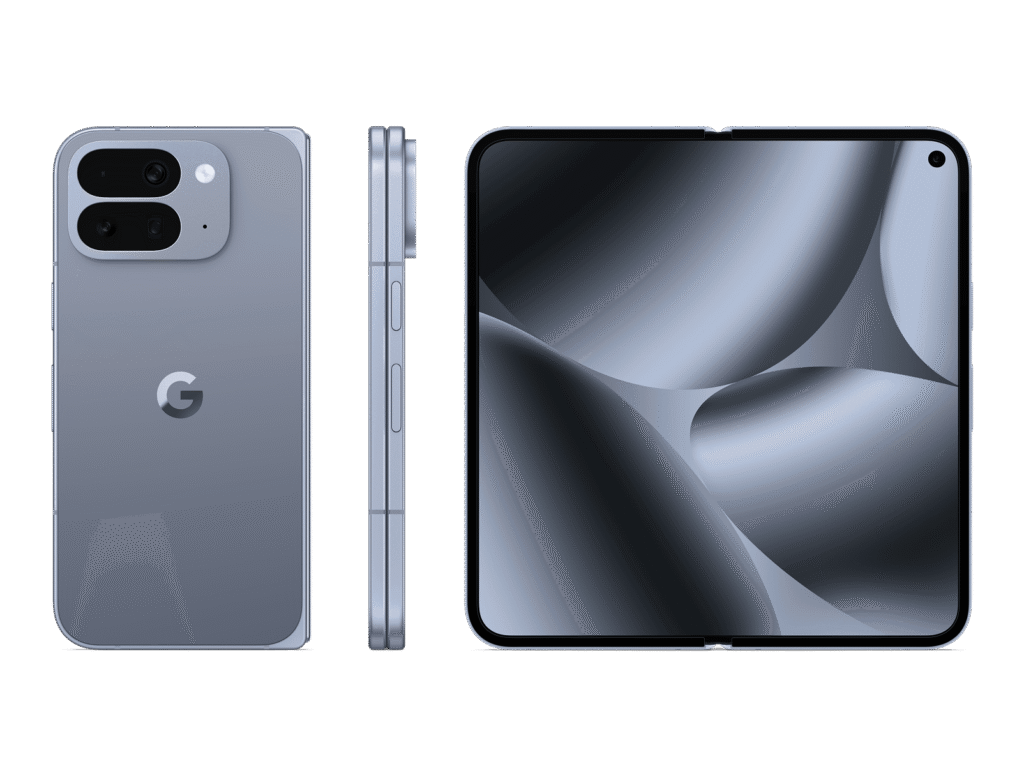
Design rumors surrounding the Pixel 10 Pro Fold suggest a direction focused on usability. Earlier foldables sometimes felt bulky, especially when folded. Many users appreciated the large internal display but disliked carrying what essentially felt like two phones stacked together.
Reports indicate that Google may be working toward a slimmer chassis and a more refined hinge system. Even subtle adjustments in weight distribution could make a huge difference. When a device folds and unfolds dozens of times every day, comfort matters more than flashy engineering.
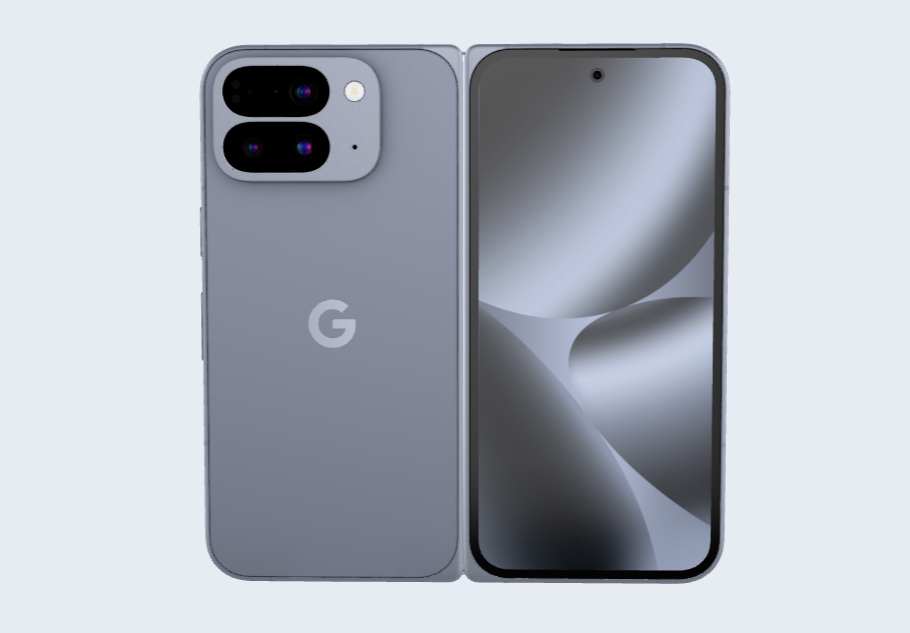
There is also speculation about improvements to the outer display. The first impression of a foldable phone usually happens while the device is closed. If the outer screen behaves like a normal flagship phone—quick access to apps, messaging, browsing—users won’t feel forced to unfold it constantly.
In other words, the Pixel 10 Pro Fold might aim to blend two experiences: a compact smartphone and a small tablet in a single device without making either one feel compromised.
Google Pixel 10 Pro Fold: Display Technology: Where Foldables Truly Shine
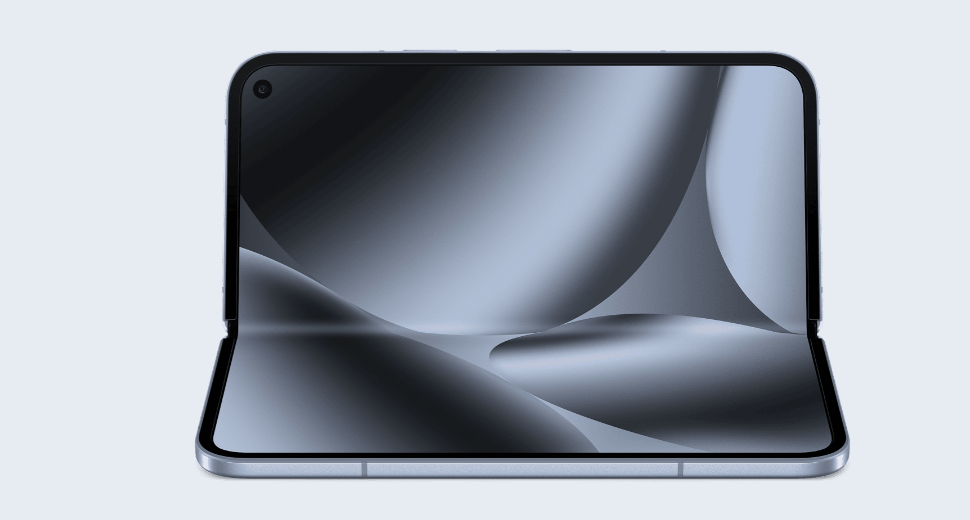
The real magic of any foldable phone lies in its display, and Google likely understands this better than most companies. The Pixel 10 Pro Fold is expected to feature an expansive internal screen that transforms the phone into a productivity hub.
Imagine opening your device and instantly switching from reading messages to editing documents or watching videos on a larger canvas. That extra screen space changes how people interact with their phones. It allows for side-by-side apps, improved media consumption, and a more immersive experience overall.
Screen crease visibility has long been a talking point in foldable technology. Many brands attempt to reduce it, but eliminating it remains difficult. Google may attempt to refine the hinge mechanics and display layering to make the crease less noticeable during everyday usage.
Brightness, color accuracy, and refresh rate are also expected to remain strong areas for Pixel devices. Google historically prioritizes visual consistency across its displays, and foldables require even greater precision since the internal and external screens must feel unified.
The Brain Behind the Device
Hardware specifications often dominate discussions about smartphones, but Google’s real strength lies in the software side. The Pixel 10 Pro Fold will likely run a new version of Android designed specifically with foldable experiences in mind.
Multitasking could become significantly smoother. Picture dragging content between apps, running multiple windows simultaneously, or turning the foldable screen into a mini workstation. Android’s large-screen optimization has been evolving rapidly in recent years, and foldables provide the perfect platform to showcase those improvements.
Under the hood, the device may rely on a next-generation chip in Google’s Tensor processor family. These chips are designed less around raw benchmark power and more around machine learning capabilities. That means real-time translation, advanced voice recognition, intelligent photo editing, and context-aware assistance.
Instead of merely reacting to commands, the phone might begin anticipating user behavior—something Google has been quietly refining for years.
Camera: Google’s Signature Strength
Whenever a new Pixel device appears, photography immediately becomes the center of attention. Even without chasing extremely high megapixel numbers, Google’s computational photography continues to deliver impressive results.
The Pixel 10 Pro Fold will almost certainly push those capabilities further. The challenge with foldable phones is camera placement. Space inside a foldable chassis is limited, and manufacturers must balance hardware size with structural integrity.
Google’s strategy often relies on software intelligence rather than bulky hardware modules. Techniques like HDR stacking, AI-based sharpening, and dynamic exposure balancing allow Pixel devices to produce remarkable images even with relatively compact sensors.
Another interesting possibility involves the foldable design itself. The device could allow creative shooting angles, turning the phone into its own tripod when partially folded. Group photos, time-lapse recordings, or hands-free video calls suddenly become easier.
For content creators and social media enthusiasts, these small details can dramatically change the shooting experience.
Battery Life and Everyday Performance
One of the biggest challenges in foldable devices involves battery management. Large displays require more energy, yet the internal space for batteries is limited due to the hinge structure.
Google will likely attempt to balance performance with efficiency through software optimization. Adaptive battery management, a feature already familiar to Pixel users, may evolve further. Instead of simply limiting background activity, the system might analyze usage patterns more deeply to extend battery longevity.
Charging speed may also improve. Faster charging becomes especially useful for foldable phones because users tend to rely on them for multitasking, media consumption, and productivity—all activities that drain battery quickly.
Even small efficiency improvements could make the difference between a device that struggles through the day and one that comfortably handles heavy usage.
Software Experiences Designed for Foldables
The most exciting aspect of the Pixel 10 Pro Fold may not be its hardware but how Google designs the experience around it. Foldable devices allow creative software interactions that traditional phones cannot replicate.
For instance, apps could dynamically rearrange themselves when the device unfolds. A messaging app might display conversations on one side and the active chat on the other. Video calls could occupy the top portion of the screen while notes appear below.
Google also invests heavily in artificial intelligence features integrated directly into the operating system. Imagine summarizing long documents instantly, editing photos with voice commands, or translating conversations in real time while the phone sits half-folded on a table.
These are the kinds of experiences that make foldable devices feel genuinely futuristic rather than simply different.
Google Pixel 10 Pro Fold: Competition in the Foldable Market
The foldable smartphone market has grown increasingly competitive over the past few years. Companies are experimenting with various hinge designs, display sizes, and software strategies.
Google’s approach appears to revolve around integration. Instead of focusing purely on engineering spectacle, the company aims to create a device where hardware and software complement each other naturally.
That strategy might resonate with users who prioritize reliability and everyday usability over flashy marketing features. If Google manages to refine the foldable formula while maintaining the clean Pixel software experience, the Pixel 10 Pro Fold could become one of the most balanced foldable phones available.
Expected Launch and Market Position
Although official confirmation remains limited, industry watchers expect the Pixel 10 Pro Fold to arrive alongside other flagship Pixel devices in Google’s annual launch cycle.
Pricing will likely position it in the premium category, which is typical for foldable phones due to their complex engineering. However, Google may attempt to justify the price through long-term software updates, AI features, and camera capabilities.
Pixel devices traditionally maintain strong value through consistent updates and smart software features. If the foldable model follows the same philosophy, it could appeal not only to tech enthusiasts but also to professionals seeking a portable productivity device.
Final Thoughts
Foldable smartphones are gradually shifting from experimental gadgets to practical tools, and the Google Pixel 10 Pro Fold might represent another step in that evolution. Instead of simply chasing larger screens or more powerful hardware, Google seems focused on making the foldable experience smoother, smarter, and more intuitive.
If current expectations prove accurate, this device could showcase the true potential of combining flexible hardware with intelligent software. For users who want a smartphone that adapts to different situations—communication, creativity, productivity—the Pixel 10 Pro Fold may become one of the most intriguing devices of its generation.
In the end, the success of a foldable phone depends on whether it genuinely improves everyday life. And if there’s one company capable of quietly refining the user experience through software intelligence, it’s Google. The Pixel 10 Pro Fold may not just be another foldable phone—it could be a glimpse into how smartphones evolve over the next decade.



Pingback: OnePlus 15: 7 Powerful Features That Could Redefine Smartphones in 2026 -
Pingback: Google Pixel 10a: Price, Features, Release Date, and Full Specs - dailysetu.com