

Introduction: When Change Happened Without Noise
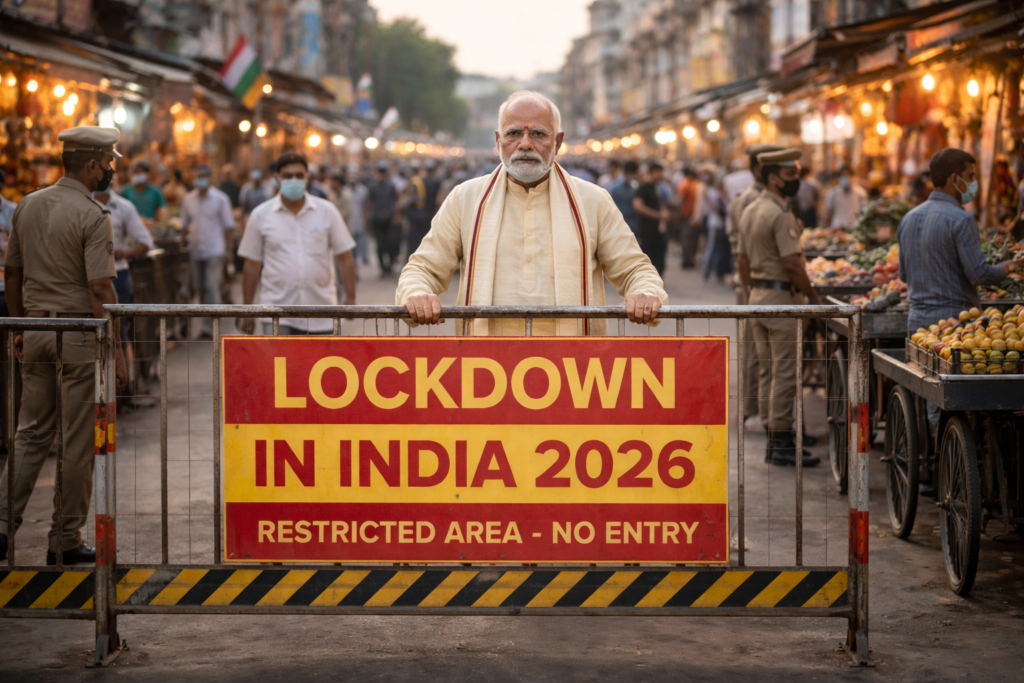
Lockdown in India 2026: At first, 2026 felt stable. People were stepping out freely, markets were active, and routines had returned. Then, small shifts began to appear. Restrictions didn’t arrive all at once—instead, they quietly entered daily life through local updates and sudden notices.
There was no strong warning. No nationwide halt. Yet slowly, people started noticing that something had changed again.
Read More: Government health updates
Read More: Silver Price Today Live Update: Hidden Trends You Can’t Afford to Miss
Not a Full Lockdown, Yet Not Normal Either
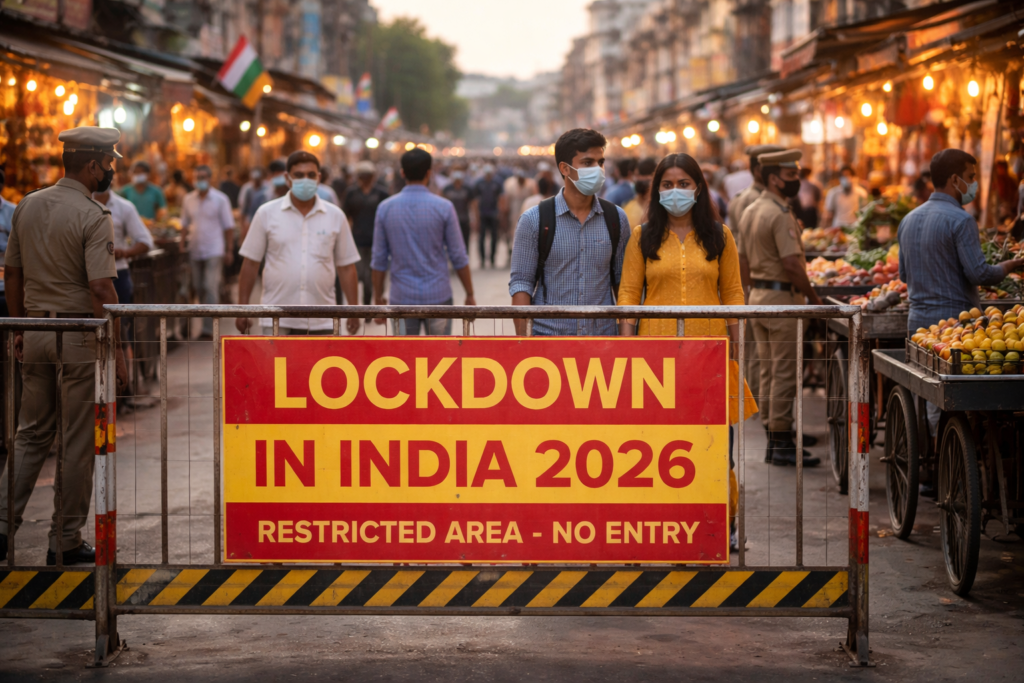
This situation is hard to define. It’s not a complete shutdown like before, but it’s also far from normal life. In one area, shops operate freely, while a nearby location may have tight control.
Rules are not the same everywhere. Local authorities decide based on their situation, which creates different experiences for people living just a few kilometers apart.
Smaller Restrictions, Stronger Effects
Instead of closing entire cities, authorities are focusing on smaller zones. A single building or street can be restricted completely while everything around it stays open.
This method limits spread, but it also surprises residents. Many people don’t get time to prepare because restrictions are applied instantly.
Rules That Exist But Are Not Clearly Explained
A major issue people face now is unclear communication. Official announcements mention certain guidelines, but real-life conditions often don’t match perfectly.
For example, businesses may be allowed to open, yet local enforcement reduces their working hours. Transport may be available, but not consistently. These unclear adjustments make daily planning difficult.
Increased Use of Digital Monitoring
Technology has become more involved in managing movement. Digital passes, ID checks, and location-based tracking are more common now.
While these systems help maintain control, they also create a sense of constant observation. People feel that even basic activities are being monitored closely.
Unstable Situation for Small Businesses
Local businesses are facing irregular operations. Instead of being completely closed, they experience sudden interruptions.
One day they work normally, and the next day they may have to shut down due to nearby restrictions. This uncertainty affects their income and makes future planning difficult.
Education System Facing Adjustment Issues
Schools and colleges are trying to continue with mixed methods. Some classes happen online, while others are conducted offline.
This combination is not always smooth. Students struggle to keep up, teachers find it hard to maintain consistency, and parents remain unsure about safety and the quality of learning.
Mental Pressure That People Don’t Talk About Much
Even though things don’t look very strict, the mental impact is still strong. People are dealing with uncertainty again.
Plans can change anytime, and this constant unpredictability creates stress. Unlike earlier times, fewer people openly discuss this emotional strain.
Travel Becoming Uncertain Again
Planning a trip has become risky. Rules change depending on the state or region, and updates can happen quickly.
Even after checking guidelines, travelers may face new restrictions during their journey. This uncertainty discourages unnecessary travel.
Work Patterns Continue to Shift
Work culture has not settled into one form. Some employees work from home, while others go to offices on certain days.
This changing routine makes it harder to stay productive. It also affects personal schedules, as people constantly adjust to new work patterns.
Difference Between Announcements and Ground Reality
What is officially announced does not always match what people experience. Guidelines may seem simple, but their implementation varies.
Because of this, many people depend on local updates or information from others instead of relying only on official sources.
Public Behavior: Balanced but Not Strict
People are not reacting with panic like before. There is no rush to buy essentials or to fear that the virus is spreading quickly.
However, this calm approach also means that some individuals are less careful about following rules strictly. Awareness exists, but discipline is sometimes missing.
Slow Financial Pressure on People
The economic impact is gradual. Businesses are not closing suddenly, but they are facing continuous challenges.
People who depend on daily earnings are most affected. Irregular income makes it difficult to manage expenses and maintain stability.
Reduced Social Interaction
Social life has not stopped completely, but it has become limited. People meet less often and prefer smaller gatherings.
Events and celebrations continue, but in a quieter and more controlled way. Life goes on, but with visible restrictions.
Understanding the Meaning of Partial Lockdown
The term “partial lockdown” may sound less serious, but it still affects many aspects of life.
Even without full closure, movement, work, and daily activities are influenced by various restrictions. These changes are not always obvious, but they are present.
Conclusion: A Quiet Yet Challenging Phase
The lockdown situation in India in 2026 is different from earlier experiences. It is not loud or extreme, but it is still impactful.
Its biggest challenge is uncertainty. People are not only adjusting to restrictions—they are adjusting to constant changes.
This phase may seem easier on the surface, but in reality, it requires continuous adaptation. And that is what makes it difficult in its own way.
Frequently Asked Questions (FAQs)
1. What is the current lockdown situation in India 2026?
The lockdown in India 2026 is not a complete nationwide shutdown. It is a partial lockdown system where restrictions depend on specific areas, especially micro-containment zones.
2. Are schools and colleges closed in India 2026?
Schools and colleges are not fully closed. Many institutions are following a hybrid system, combining both online and offline classes depending on local conditions.
3. What are micro-containment zones in India?
Micro-containment zones are small restricted areas such as a building, street, or neighborhood where movement is strictly controlled to limit the spread of infection.
4. Can people travel during the India lockdown 2026?
Yes, travel is allowed, but rules vary by state and change frequently. Some areas may require documents or permissions, making travel uncertain.
5. How is the lockdown affecting small businesses in India?
Small businesses are facing irregular operations. Instead of full closure, they deal with sudden restrictions, which makes income unstable and planning difficult.
6. Is work from home mandatory in India 2026?
Work from home is not mandatory everywhere. Many companies are using a mixed work model, where employees alternate between office and remote work.
7. What are the hidden rules during lockdown 2026?
Hidden rules refer to unofficial restrictions, such as reduced shop timings or limited transport availability, which are not always clearly announced but are followed locally.
8. Is public transport running during the lockdown?
Public transport is operational in many areas, but availability may be limited or inconsistent, depending on local restrictions.
9. How is the lockdown impacting mental health?
The ongoing uncertainty and changing rules are causing stress and anxiety, even though the situation does not appear as strict as previous lockdowns.
10. What does “partial lockdown” actually mean?
A partial lockdown means there is no complete shutdown, but certain restrictions are applied in selected areas, affecting movement, work, and daily life.
11. Are shops open during the India lockdown 2026?
Most shops are allowed to open, but timings and operations may vary depending on local rules and containment zones.
12. Why is the 2026 lockdown different from previous ones?
The 2026 lockdown is more localized and flexible, with smaller restrictions instead of nationwide shutdowns, making it less visible but still impactful.