

LPG cylinder booking rules 2026: If you think booking an LPG cylinder is still the same old “call, book, wait, receive” process, that assumption may cost you time on your next refill. The system has quietly changed in many places, and while nothing looks dramatic from the outside, the process has definitely become stricter, smarter, and a little less forgiving.
For most households, a gas cylinder is not just another utility item. It decides whether the kitchen runs smoothly or turns into a problem zone. That is why even a small rule change matters more than people think.
This update is not about creating panic. It is about understanding what has shifted so you do not get stuck with delayed booking, failed delivery, or confusing verification messages.
Read More: Official LPG provider booking website
Read More: India’s New Fiber LPG Cylinder: Complete Guide to Features, Benefits, Price, and Availability
Why LPG Booking Feels Different Now
A few years ago, things were far more relaxed. You could book from almost anywhere, sometimes even through a local contact, and the rest would somehow get managed. That informal system is slowly disappearing.
Now, gas companies want more control over who is booking, where the cylinder is going, and whether the delivery is actually reaching the right consumer. That means your refill is no longer treated like a casual service request. It is being tracked more carefully.
In simple words, the system now remembers details better than before—and it also notices mistakes faster.
Your Mobile Number Has Become a Big Deal
This is probably the most important change.
Earlier, many people could manage bookings even if their old number was still attached to the connection. Today, that same habit can create real trouble. Booking alerts, refill confirmation, delivery updates, and sometimes even verification steps now depend heavily on the registered mobile number.
So if your LPG account still carries a number you no longer use, your next refill may become unnecessarily messy.
A lot of consumers don’t realize this until the delivery person asks for a code or a message confirmation that never reached them.
OTP and Delivery Confirmation Are Now More Common
This is where many people get confused.
Once your cylinder is out for delivery, you may receive a message or code on your phone. Earlier, people ignored such texts because they thought it was just another notification. Now, that small message can actually matter.
In many cases, delivery staff may ask for an OTP or confirmation before handing over the cylinder. The reason is simple: companies want proof that the refill reached the actual customer.
So yes, the gas cylinder has now entered the OTP era.
If nobody in the family checks SMS alerts, this one change alone can create avoidable delays.
Booking Too Early May Not Always Help
Some families book the next refill very quickly just to stay on the safe side. The intention is understandable. Nobody wants the cylinder to run out suddenly.
But here is the catch: unusually frequent booking patterns can sometimes raise questions in the system. If your household usually books after a month and suddenly starts placing refill requests much earlier every time, that may trigger delays or extra checks.
That does not mean you will be blocked instantly. It simply means the system is watching refill timing more closely than before.
So the better habit is this: book based on real need, not on anxiety.
One Booking Method Is No Longer Enough
A lot of people depend on just one method. Some only use the app. Some only call the booking number. Others still rely on a local gas office contact.
That works—until one day it doesn’t.
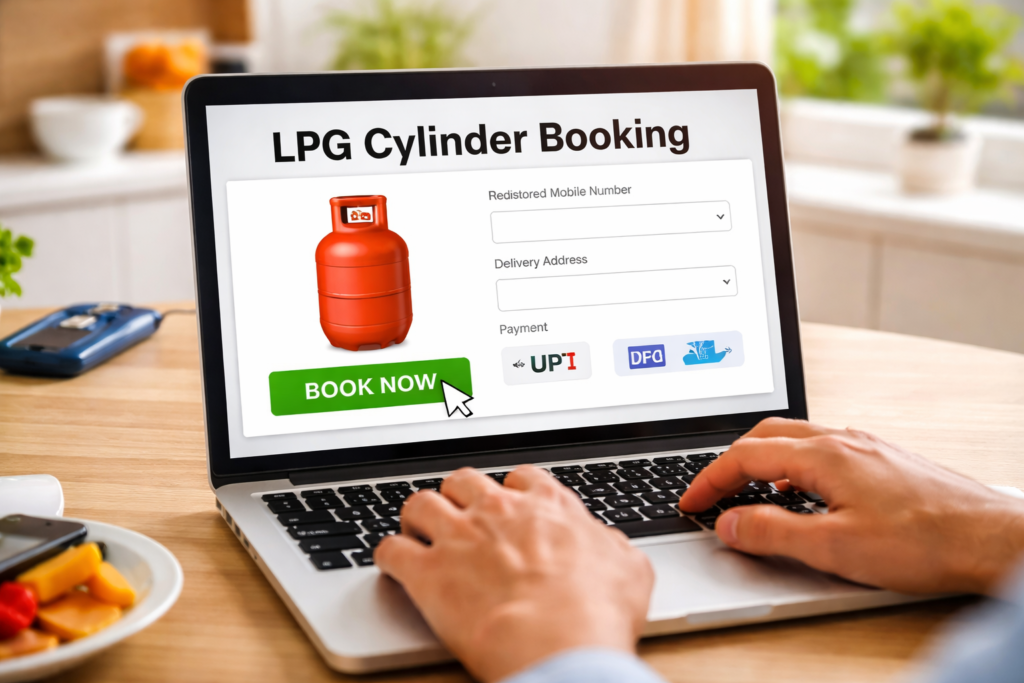
Now that the booking process is more connected to digital records, one method may fail while another still works perfectly. If the app is showing an error, the IVRS line might still accept your request. If SMS booking fails, the website may work.
So if you only know one way to book, you are taking an unnecessary risk.
These days, smart consumers don’t just know how to book. They know how to book again if the first option fails.
Payment Proof Matters More Than Before
Cash payment still exists, and in many places, it is still common. But the difference now is that keeping proof has become more important.
Why? Because once services become more digital, disputes become more technical too.
If a payment issue happens later, “I already paid” is not as strong as “Here is the transaction record.” Even a simple screenshot or message confirmation can save you from an annoying back-and-forth.
This is not about distrusting delivery staff. It is about protecting yourself in a system that increasingly depends on records, not memory.
Wrong Address Details Can Start Causing Problems
Earlier, local delivery workers often knew every lane, building, and shortcut better than maps did. That helped many consumers survive with half-updated addresses.
But that informal convenience is fading.
As booking systems become more data-based, address accuracy matters more than before. If you shifted houses and never updated your LPG records, or if your account still reflects an incomplete location, you may eventually face delivery issues.
A refill delay caused by a bad address feels especially frustrating because it usually looks like “their mistake,” when technically the system is following what your record says.
And systems, unlike humans, do not guess.
Subsidy-Linked Users Need to Stay More Alert
For users connected to subsidy-related benefits, these booking changes can create extra confusion if details are outdated.
A refill request may go through, but if your bank-linked or consumer-linked information is not aligned properly, you could still run into follow-up issues. Sometimes the booking works, but the related account communication doesn’t.
This usually happens after:
- a mobile number change
- a bank account update
- a house shift
- old KYC details remaining untouched
People often assume, “I changed that elsewhere, so it must be updated everywhere.” That assumption causes more trouble than the actual rule change.
If your account details have changed recently, this is a good time to review them before your next booking.
What You Should Check Before Your Next Refill
Before placing your next LPG booking, pause for two minutes and check a few simple things.
Ask yourself:
- Is my registered mobile number still active?
- Can I receive OTP or delivery messages on that number?
- Is my address still correct in the system?
- Do I know at least two ways to book?
- Will someone be available to receive the cylinder?
- Can I keep proof of payment if needed?
That’s it.
You don’t need a long checklist. You just need to stop treating LPG booking like an old-school routine when the system has already moved ahead.
Final Thoughts
The latest LPG booking updates are not huge in appearance, but they can absolutely affect your next refill if your details are outdated or your booking habits are stuck in the past.
What used to work casually now needs a little more attention.
The good part? Once you understand the new pattern, the process becomes easy again. Keep your number updated, don’t ignore delivery messages, and stop depending on one booking method only.
A gas cylinder refill should not become a household crisis—and with a few small checks, it won’t.
FAQs
1. What is the new update in LPG cylinder booking rules?
The latest LPG booking update mainly affects mobile verification, delivery OTP confirmation, booking records, and account detail accuracy. Consumers may need updated information to avoid refill issues.
2. Is OTP required for LPG cylinder delivery?
In many cases, yes. Some LPG deliveries now require OTP or mobile-based confirmation to verify that the refill has reached the correct consumer.
3. Can I still book an LPG cylinder using my old mobile number?
If your old number is still active and linked correctly, it may work. But if that number is inactive, you may miss booking alerts or delivery verification messages.
4. Why is my LPG refill booking getting delayed?
A delay can happen because of wrong mobile number, address mismatch, repeated early booking, verification issues, or delivery confirmation problems.
5. Does subsidy get affected by LPG booking changes?
Subsidy-related issues can happen if your consumer details, bank details, or mobile-linked records are outdated.
6. What should I check before booking my next LPG cylinder?
Check your registered mobile number, address, booking method, payment proof, and delivery availability before placing the refill request.
7. Can I book LPG cylinder through more than one method?
Yes. You can usually book through app, website, IVRS call, SMS, or other supported methods, depending on your service provider.
8. What happens if I miss LPG cylinder delivery?
If delivery is missed repeatedly, your booking may be delayed, rescheduled, or remain pending until verification is completed.



Pingback: India Telecom Alert: Is the Internet at Risk Due to Undersea Cable Disruption?