
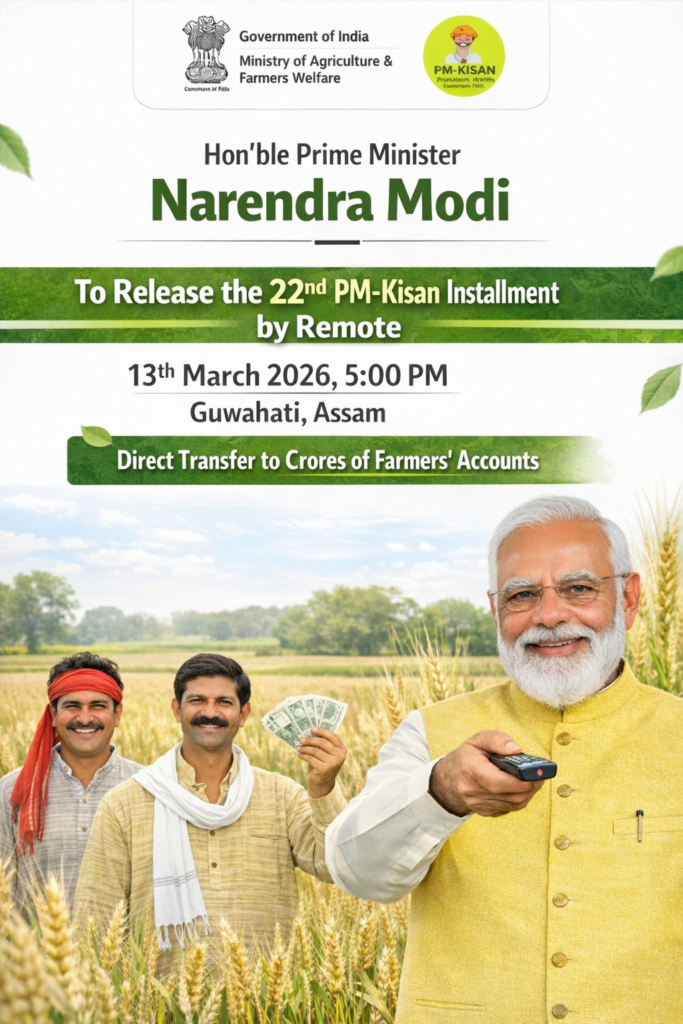

A Conversation That Reminds You Why This Payment Matters
A few days ago, I was talking with a farmer from a nearby village about the upcoming farming season. Instead of discussing weather or crop prices, he brought up something different — the next installment of the government’s farmer support scheme. His excitement was easy to notice. For many farmers, the arrival of this payment feels like timely assistance just when agricultural expenses start piling up. News about the 22nd installment has already begun spreading across villages, and farmers are checking their phones or visiting local service centers to see if their names appear in the list.
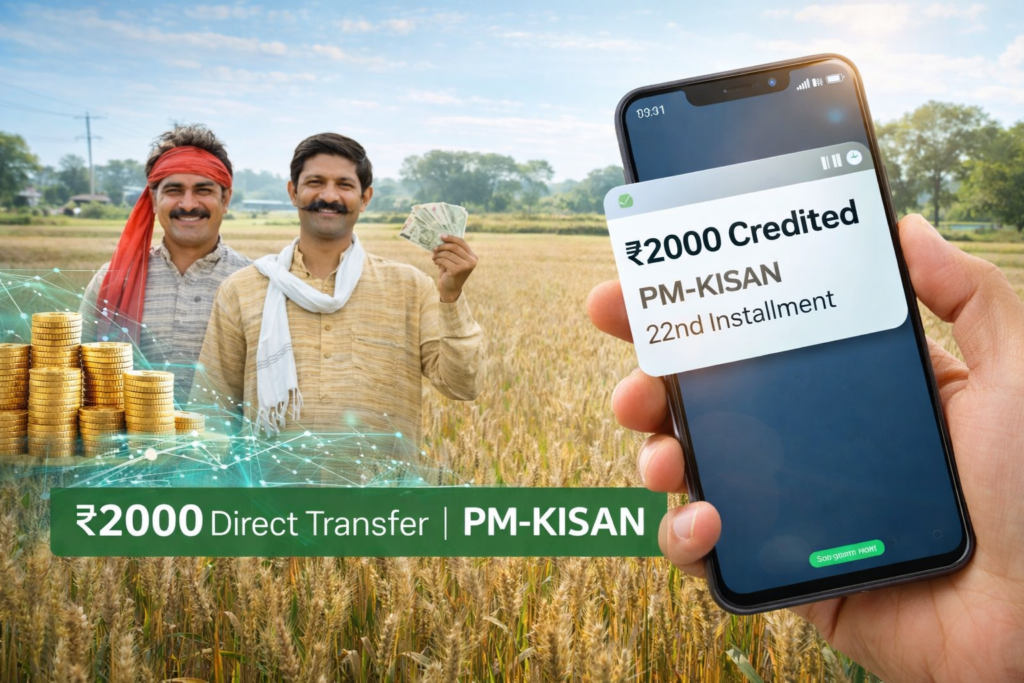
Official website of Pradhan Mantri Kisan Samman Nidhi for beneficiary status check
Read More: Latest Government Schemes for Farmers in India
Understanding the PM Kisan Support Program
The payment is part of the national farmer assistance initiative called Pradhan Mantri Kisan Samman Nidhi. The concept behind this scheme focuses on direct financial help reaching farmers without unnecessary complications. Instead of funds traveling through multiple administrative offices, the amount moves digitally from the government treasury straight to the farmer’s bank account. This system gradually changed how rural welfare payments work in India, making the process faster and far more transparent.
The Date Everyone Is Talking About
Farmers across the country are paying close attention to 13 March 2026. On this day, the 22nd installment of ₹2000 is scheduled to be transferred to eligible beneficiaries. The release will take place during an event led by Narendra Modi. Once the transfer command is initiated, the banking system begins distributing funds to millions of accounts simultaneously. For many villagers, the moment when a bank message appears on their phone brings a feeling of reassurance.
Why Farmers Check the Beneficiary List
Whenever an installment date approaches, one question starts circulating quickly: “Is my name still in the beneficiary list?” Farmers who registered under the scheme often verify their status to avoid surprises. If their records remain valid, the money generally reaches their account automatically. However, small technical issues—such as incorrect bank details or incomplete verification—can interrupt the transfer. Because of this, checking the list has become a routine habit before every installment cycle.
How Farmers Verify Their Name Online
Accessing the beneficiary list is no longer a complicated process. Many farmers or their family members visit the official portal managed by the Ministry of Agriculture & Farmers Welfare. Using a registration number, mobile number, or other identification details, they can confirm whether their name is still active in the database. In villages where internet connections are limited, people often visit Common Service Centers where operators help them check the records.
Why ₹2000 Still Makes a Difference
Some observers look at the payment amount and assume it might not change much for farmers. But when you listen to people working in agriculture, the story sounds different. Farming involves many small expenses that appear at crucial moments. Seeds need to be purchased, fertilizers arranged, irrigation equipment repaired, and labor costs managed. When the installment arrives right before these tasks begin, it becomes a practical support rather than just a symbolic payment.
How Farmers Usually Use the Installment
Each household decides its own way of spending the money. Some farmers immediately invest it back into the field by purchasing seeds or fertilizers. Others keep it aside to manage irrigation expenses or tractor fuel. Occasionally, the payment supports household needs such as groceries or school fees. Farming families often balance agricultural costs with daily living expenses, so the installment becomes part of a broader financial plan.
The Role of Digital Transfers in Rural Areas
Years ago, welfare payments often faced delays because they passed through several administrative stages. Digital banking changed that experience. Under the PM-Kisan system, the transfer happens electronically through the Direct Benefit Transfer framework. Once the payment command is issued, the banking network distributes the funds almost instantly. This transformation strengthened trust among farmers who once waited weeks to receive government assistance.
When the Payment Does Not Arrive
Despite improvements in the system, some farmers occasionally discover that their installment has not appeared in the account. In most situations, the issue relates to technical details rather than eligibility. Incorrect bank numbers, unverified identification records, or incomplete land documentation can block the transfer temporarily. Local agriculture offices usually help resolve these issues by updating records and verifying information.
Installment Day in Rural Villages
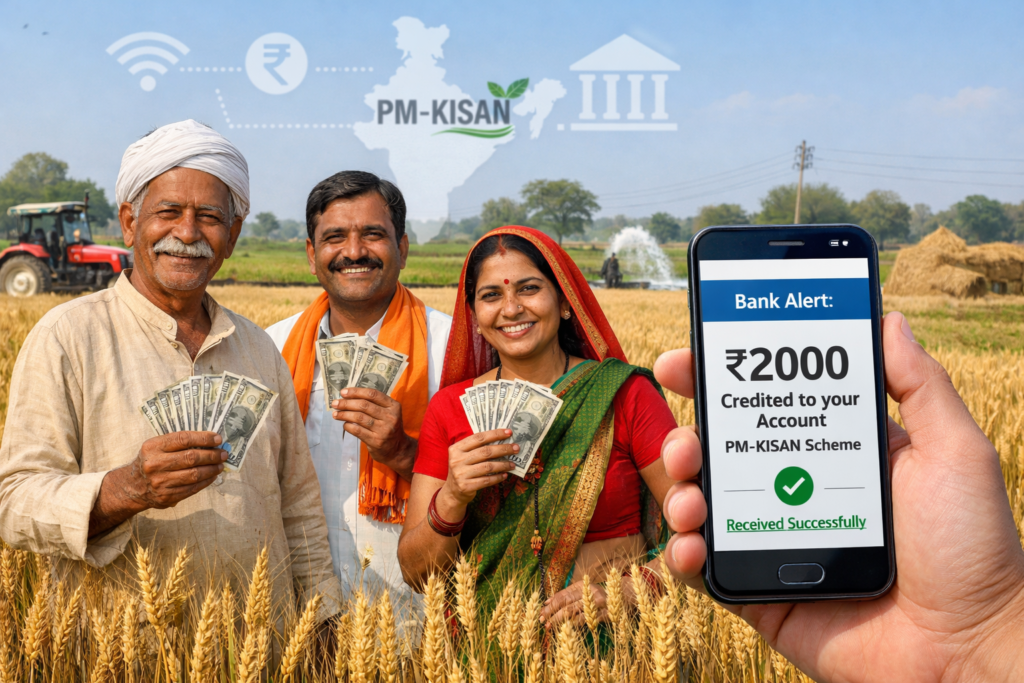
The day an installment is released often creates a small wave of excitement in villages. Early in the morning, people begin asking neighbors whether the payment has arrived. Someone receives the bank notification first and quickly shares the news with others. Within hours, many farmers start checking their accounts through mobile banking apps or nearby micro-ATM devices. The entire village conversation suddenly revolves around one simple question: “Did the money reach your account?”
Why Consistent Payments Matter in Farming
Agriculture rarely follows a predictable path. Weather patterns change suddenly, crop diseases appear without warning, and market prices fluctuate from one season to another. Because of these uncertainties, consistent financial assistance becomes valuable. Farmers know that the installment may not cover all expenses, but its regular arrival helps them plan important agricultural activities without waiting for additional resources.
Leadership and Symbolic Importance of the Event
When Narendra Modi initiates the transfer during a public event, the gesture carries symbolic meaning for rural communities. Farmers watching the announcement feel that their work and challenges remain visible at the national level. The event connects government leadership with the everyday reality of agriculture, reminding citizens that food production continues to be a central part of the country’s economy.
Financial Inclusion Through Welfare Programs
Another interesting outcome of this scheme is the way it encouraged rural families to maintain active bank accounts. Many farmers who previously relied only on cash transactions now regularly check digital banking notifications. The PM-Kisan system indirectly pushed people toward financial inclusion, helping them become familiar with online verification, electronic payments, and banking services.
What Farmers Should Do Before 13 March
As the installment date approaches, farmers usually review their registration details to avoid delays. Ensuring that bank accounts remain active, identification documents stay verified, and land records are accurate helps maintain eligibility. These small steps make the difference between receiving the payment on time and facing unnecessary complications.
Looking Ahead to the Next Installment
For millions of farmers across India, the 22nd installment represents more than a financial transfer. It symbolizes a continuing support system that operates quietly behind the scenes of rural life. When the ₹2000 payment appears in their accounts on 13 March 2026, farmers will quickly begin deciding how to use it — whether for seeds, irrigation, or household expenses. In that brief moment when the bank message arrives, the connection between government policy and everyday farming becomes clearly visible.