

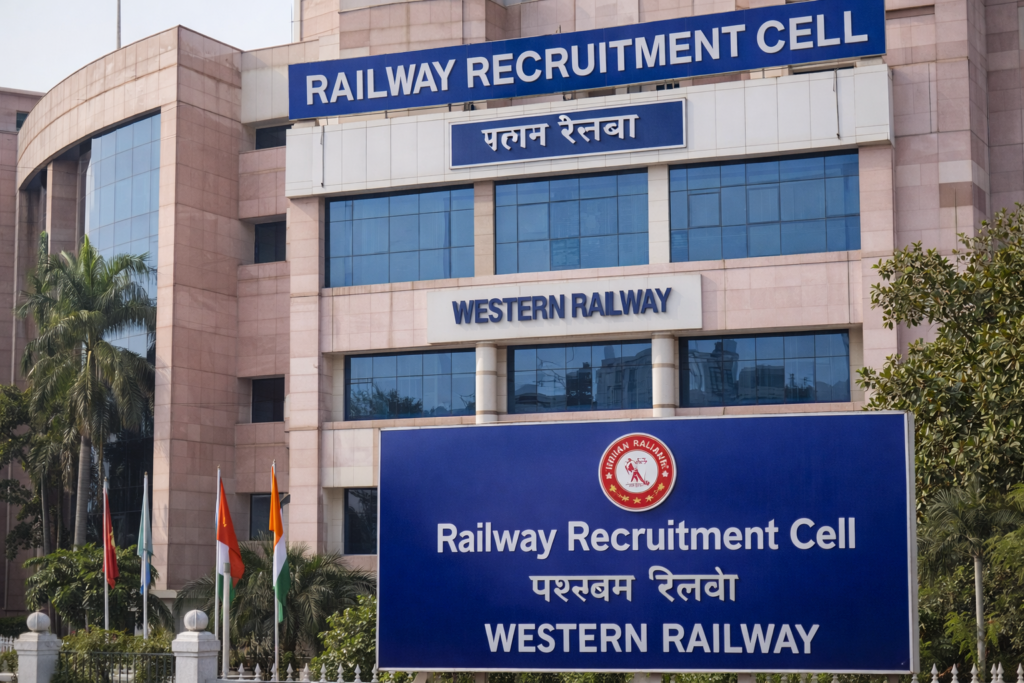
Most discussions around railway recruitment sound predictable—forms released, exams conducted, results awaited. That surface-level view misses what actually happens inside the Railway Recruitment Cell under Western Railway. After tracking multiple recruitment cycles closely, one thing became clear to me: this system isn’t slow by accident, and it isn’t rigid without reason. It functions the way it does because the stakes are far higher than most applicants realize. This rewrite isn’t an information dump; it’s a re-framing of how WR recruitment actually works when seen through a human lens.
Important Dates
- Application Start:21/02/2026
- Last Date for Apply Online: 23/03/2026 up to 05:00 PM only.
- Pay Exam Fee Last Date:23/03/2026
- RRC WR Apprentices Merit List Date: As per Schedule
Application Fee
- General /OBC/EWS: 100/-
- SC / ST / PH : 0/-
- Female All Category : 0/-
Railway Recruitment Cell Official Website
Read More: Railway Group D Syllabus & Exam Pattern: The Side of Preparation Nobody Explains Clearly
What RRC Western Railway Really Does (Beyond Job Notices)
At first glance, RRC Western Railway appears to be an office that simply publishes notifications and uploads PDFs. In reality, it acts more like a gatekeeper for a massive operational machine. Every candidate selected through this channel eventually becomes part of a network where mistakes can affect public safety, schedules, and infrastructure.
The recruitment cell doesn’t “hire quickly”; it filters carefully. Its real job is to reduce risk—legal, technical, and administrative. That mindset shapes every step, from application scrutiny to final joining letters. Once you see recruitment as risk management rather than hiring, many frustrations start making sense.
Railway Recruitment Cell – Western Railway (WR): Why WR Recruitment Feels Heavier Than Other Zones
All railway zones follow the same rulebook, yet Western Railway recruitments often feel more intense. The reason is scale. The Western Railway zone covers high-density regions where competition is relentless. One vacancy here attracts applicants from across states, not just nearby districts.
This volume forces WR to behave cautiously. A single error can snowball into objections, lawsuits, or widespread dissatisfaction. As a result, the recruitment cell double-checks everything. For candidates, this caution feels like delay. For administrators, it’s damage control in advance.
Apprentice Intake: A System That Shapes Careers Quietly
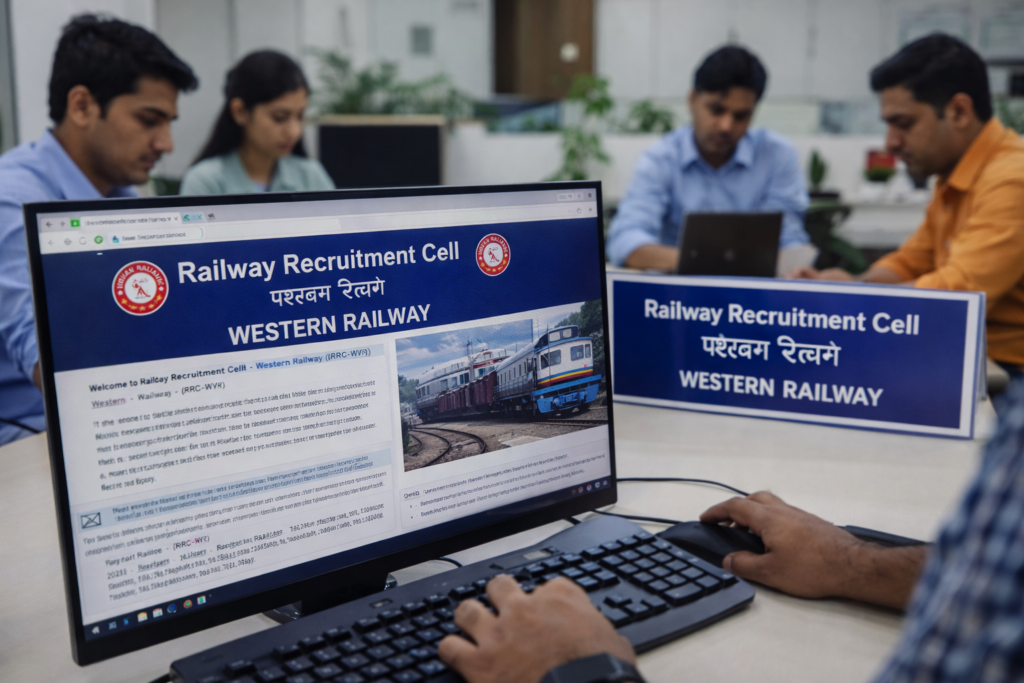
Apprentice recruitment under WR rarely gets the respect it deserves. Many candidates treat it as a temporary stop. What they miss is how deeply practical this route is. Apprentices aren’t trained in isolation; they’re absorbed into workshops, sheds, and maintenance units where real railway work happens daily.
Western Railway apprenticeships expose candidates to discipline, timelines, and accountability early on. The recruitment cell’s responsibility here isn’t just selection—it’s deciding who gets access to this ecosystem. That choice has long-term consequences, even if the entry point looks modest.
Merit Lists: Why Numbers Alone Don’t Decide Outcomes
One of the biggest misunderstandings around WR recruitment is the belief that higher marks guarantee success. Marks matter, yes—but precision matters more. Western Railway treats merit as a combination of score accuracy, eligibility correctness, and rule compliance.
Candidates with strong marks sometimes fall behind because of small documentation or eligibility mismatches. This isn’t randomness. It’s the system protecting itself from future disputes. WR recruitment rewards correctness over brilliance, a principle many aspirants learn only after facing rejection.
The Verification Stage That Ends More Dreams Than Exams
Exams get all the attention, but document verification is where the real filtering happens. This stage is quiet, strict, and unforgiving. Western Railway recruitment teams examine certificates not as formalities, but as legal records.
Tiny inconsistencies—dates, formats, category proofs—carry weight here. There’s little room for interpretation. Candidates often feel this stage is harsh, but from the system’s perspective, uniform enforcement is the only way to maintain fairness across thousands of files.
Railway Recruitment Cell – Western Railway (WR): Communication That Feels Cold but Stays Clear
WR recruitment communication doesn’t attempt to sound friendly. Notices are short. Language is direct. Emotional cushioning is absent. Initially, this style frustrates candidates who expect reassurance or frequent updates.
Over time, however, this approach reduces misinformation. The recruitment cell shares only what is confirmed. No speculation. No tentative timelines. In a system prone to rumors, this restraint keeps chaos under control—even if it feels unfriendly on the surface.
Railway Recruitment Cell – Western Railway (WR): Digital Infrastructure: Functional, Not Decorative
Western Railway’s recruitment portals rarely win design awards, but they handle pressure reliably. During peak application periods, when traffic spikes dramatically, the system usually stays functional. That stability is intentional.
The interface avoids complexity. Instructions are plain. Navigation is linear. Most errors reported by candidates trace back to incorrect uploads or data entry rather than server failure. WR has improved its backend quietly over the years, choosing reliability over aesthetics.
The Long Silence Between Stages—and Why It Exists
Waiting is the hardest part of WR recruitment. Gaps between notifications test patience more than exams test knowledge. From a candidate’s view, these pauses feel unnecessary. Administratively, they are unavoidable.
Each phase requires internal audits, cross-verification, and legal compliance. Speed increases the risk of mistakes. WR recruitment chooses closure over urgency. That choice frustrates aspirants but protects the institution from long-term fallout.
Transparency That Doesn’t Seek Approval
Western Railway recruitment doesn’t aim to appear transparent; it simply is. Eligibility rules are clearly defined. Cut-off logic is explained. Selection criteria are documented.
Once a decision is published, it rarely changes. This firmness reduces ambiguity. Even rejected candidates usually know the exact reason behind their status. Transparency here isn’t comforting—it’s conclusive.
The Institutional Mindset Behind the Recruitment Cell
To understand RRC Western Railway, you have to understand its parent body. Western Railway operates under constant operational pressure—dense traffic, safety sensitivity, and public accountability.
That environment shapes recruitment philosophy. Every selected candidate becomes part of a safety-critical system. Leniency at the recruitment stage can translate into risk on the tracks. WR’s strictness isn’t administrative arrogance; it’s institutional self-preservation.
Where Most Aspirants Miscalculate
Many candidates treat WR recruitment as a gamble—apply everywhere and hope something clicks. That approach rarely works here. The system favors those who understand rules deeply and follow them precisely.
Preparation isn’t limited to exams. It includes documentation discipline, timeline awareness, and mental readiness for delays. WR doesn’t reward shortcuts. It quietly filters them out.
Final Thought: Demanding, Yes—but Never Arbitrary
After observing the process from multiple angles, one conclusion stands firm: Railway Recruitment Cell – Western Railway is structured, not unpredictable. Delays have reasons. Rejections have explanations. Selection follows logic, even if that logic feels harsh.
For candidates seeking certainty and long-term stability, this recruitment process acts as a stress test. It checks patience as much as capability. Those who pass don’t just secure employment—they enter a system that values procedure, responsibility, and consistency above all else.
If you expect speed, you’ll feel disappointed. If you expect order, you’ll eventually understand why WR recruitment works exactly the way it does.



Pingback: Railway Group D Syllabus & Exam Pattern: The Strategy Toppers Actually Use